


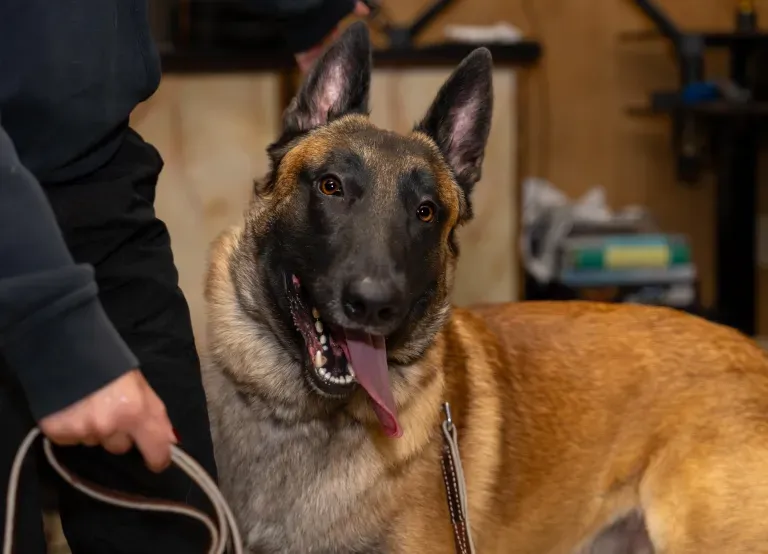
All dogs are unique and may have varying habits, learning experiences, energy levels and daily routines, which may not always align with a set training approach. Private dog training lessons can offer them an individualized training environment in which the owner can concentrate on learning the behaviors or skills that are most important to her. This can be particularly applicable when there are specific routines, settings or individual challenges that are being targeted.
Start With Your Goals
The first step in personal training is to know their goal. Some families might desire to work on quieter greetings; others might want to work on leash manners, recall, attention, or household routine.
Setting clear goals will help to keep training focused. Owners do not need to spend an equal amount of time on each command, but could focus on commands that are most useful in daily life. A goal may also evolve to fit a different situation as the dog matures.
Work At Your Pace
All dogs are not the same. A few may pick up a new cue very easily, and a few may need more repetitions to respond consistently to a new cue. Many factors can impact learning, such as age, temperament, motivation, previous experiences, and distractions.
Private sessions enable the training session to be modified based on the dog’s response. If necessary, an exercise can be reduced in difficulty, and increased in difficulty if the dog is prepared. This flexibility may help to maintain sessions as productive as possible without having to hurry the learning process.
Train In Real Settings
One helpful aspect to individualized training is that it allows the opportunity to work on situations that occur in the owner’s home. A dog’s behavior can vary in different environments, such as a training facility and in public, as well as at home.
Private dog training can target practical tasks like greeting visitors, settling when family is busy, walking through familiar areas or other such tasks. Having the opportunity to train in an appropriate context can be useful to owners in understanding how to continue training outside of the session.
Improve Owner Communication
Training isn’t limited to changing the dog’s behavior. In addition to the above, the owner must also be familiar with timing, body language, rewards, cues and environmental factors. The more these elements become known, the more consistent everyday communication becomes.
A trainer can be able to watch the owner/dog interaction and make adjustments accordingly. In some cases, a slight adjustment in the timing or positioning will make an exercise more understandable to the dog.
Adapt To Distractions
Distractions can alter the level of difficulty for almost any training activity. A dog can calmly watch another dog, a passing cyclist, a visitor or an unfamiliar sound in a quiet room, but show more interest in other dogs, visitors, a passing cyclist, or a sound.
These distractions can be slowly built up in the course of the training. It can be helpful to work from a distance so the dog can focus on attention without being too distracted by the distraction. The environment may be increased in difficulty as skills are developed.
Build Home Practice
When owners keep practicing in between their training sessions, the benefits of personalized training are heightened. Luckily, practice doesn’t have to consume a lot of time.
It could be useful to have a few minutes before meals, on a walk or when setting out to prepare for a trip to the house. Family members may also agree on the same cues and expectations to provide the same info to the dog the entire week.
Consider Your Dog
A personalized approach ensures that training is done for the individual dog, and not dogged by the stereotypical approach. Some exercises might work better with puppies than other dogs, and some may be more effective with certain breeds than others, sensitive dogs or highly food-motivated dogs.
If they grasp these differences and establish realistic expectations, owners can reap benefits. Progress can then be seen as useful ‘real world’ improvements, not in comparison with other dogs.
Conclusion
Owner-led training can be a viable alternative for dog owners seeking training advice that is directly related to their dog’s lifestyle and objectives. Personalized support can make the world of difference in making owners feel confident in dealing with day-to-day situations with practice and realistic expectations. If owners are thinking of more personalized training, they can consult caninemoxy.com for expert training help. The proper design can provide greater clarity for the owner and dog and make training more meaningful to their day-to-day activities.